Common countries
France 1,232Italy 704Canada 604Spain 267Greece 220Australia 199Chile 190New Zealand 158
WineRipe tracks LCBO sugar grams per litre when available. This guide focuses on wines at 5 g/L sugar or lower and surfaces the best current options across red, white, sparkling, and rose.
750 mL bottles at 25+ LCBO stores, ranked for quality and value.
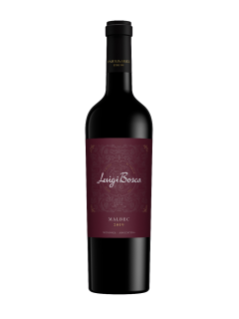
For a lower-sugar choice: this Argentina red lists 3 g/L, about 0.45 g in a 150 mL glass.

For a lower-sugar choice: this New Zealand white lists 3 g/L, about 0.45 g in a 150 mL glass.

For a lower-sugar choice: this New Zealand white lists 4 g/L, about 0.6 g in a 150 mL glass.

For a lower-sugar choice: this Chile red lists 3 g/L, about 0.45 g in a 150 mL glass.

For a lower-sugar choice: this France red lists 3 g/L, about 0.45 g in a 150 mL glass.
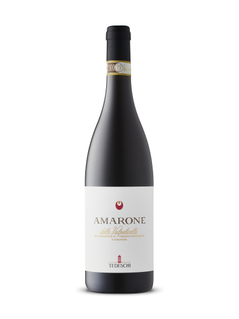
For a lower-sugar choice: this Italy red lists 5 g/L, about 0.75 g in a 150 mL glass.

For a lower-sugar choice: this New Zealand white lists 3 g/L, about 0.45 g in a 150 mL glass.

For a lower-sugar choice: this Argentina red lists 4 g/L, about 0.6 g in a 150 mL glass.
Choose a store to see stock for each recommended listing.
The WineRipe weekend shortlist
Two worthwhile deals, two great buys under $20, and something worth trying. Prices, bottle photos and stock near you.
Manage your subscriptionWines in this guide where the current LCBO price is below the regular listed price.
For a lower-sugar choice: this Argentina red lists 4 g/L, about 0.6 g in a 150 mL glass.
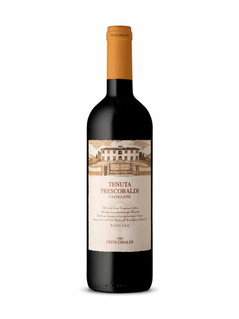
For a lower-sugar choice: this Italy red lists 3 g/L, about 0.45 g in a 150 mL glass.

For a lower-sugar choice: this France rosé lists 4 g/L, about 0.6 g in a 150 mL glass.

For a lower-sugar choice: this New Zealand white lists 4 g/L, about 0.6 g in a 150 mL glass.
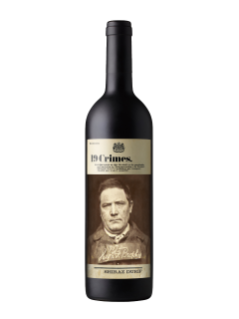
For a lower-sugar choice: this Australia red lists 4 g/L, about 0.6 g in a 150 mL glass.

For a lower-sugar choice: this Italy red lists 2 g/L, about 0.3 g in a 150 mL glass.
High-value bottles in this guide that currently stay under the $25 mark.
For a lower-sugar choice: this Argentina red lists 3 g/L, about 0.45 g in a 150 mL glass.
For a lower-sugar choice: this New Zealand white lists 3 g/L, about 0.45 g in a 150 mL glass.
For a lower-sugar choice: this New Zealand white lists 4 g/L, about 0.6 g in a 150 mL glass.
For a lower-sugar choice: this Chile red lists 3 g/L, about 0.45 g in a 150 mL glass.
For a lower-sugar choice: this Argentina red lists 4 g/L, about 0.6 g in a 150 mL glass.
For a lower-sugar choice: this Italy red lists 3 g/L, about 0.45 g in a 150 mL glass.
For a lower-sugar choice: this France rosé lists 4 g/L, about 0.6 g in a 150 mL glass.

For a lower-sugar choice: this Australia red lists 3 g/L, about 0.45 g in a 150 mL glass.
The strongest low-price picks in this guide.
For a lower-sugar choice: this Argentina red lists 3 g/L, about 0.45 g in a 150 mL glass.
For a lower-sugar choice: this New Zealand white lists 4 g/L, about 0.6 g in a 150 mL glass.
For a lower-sugar choice: this Chile red lists 3 g/L, about 0.45 g in a 150 mL glass.
For a lower-sugar choice: this France rosé lists 4 g/L, about 0.6 g in a 150 mL glass.
For a lower-sugar choice: this New Zealand white lists 4 g/L, about 0.6 g in a 150 mL glass.

For a lower-sugar choice: this Italy white lists 4 g/L, about 0.6 g in a 150 mL glass.

For a lower-sugar choice: this Chile red lists 2 g/L, about 0.3 g in a 150 mL glass.

For a lower-sugar choice: this South Africa white lists 2 g/L, about 0.3 g in a 150 mL glass.
Separate clearance listings. Sizes and availability vary; these are not the broadly stocked recommendations above.
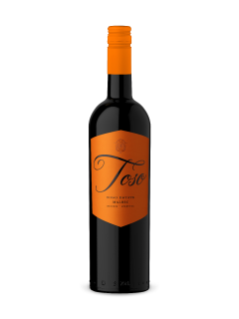
For a lower-sugar choice: this Argentina red lists 3 g/L, about 0.45 g in a 150 mL glass.

For a lower-sugar choice: this Australia white lists 4 g/L, about 0.6 g in a 150 mL glass.
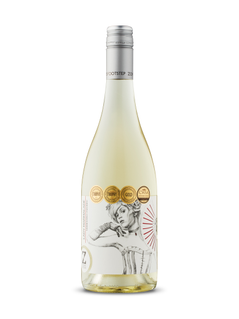
For a lower-sugar choice: this Australia white lists 2 g/L, about 0.3 g in a 150 mL glass.

For a lower-sugar choice: this Chile red lists 3 g/L, about 0.45 g in a 150 mL glass.
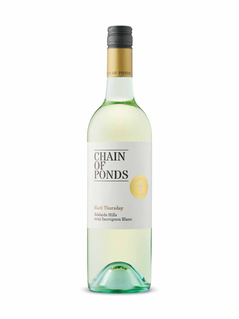
For a lower-sugar choice: this Australia white lists 3 g/L, about 0.45 g in a 150 mL glass.
Bottles reported at fewer than 25 stores. Check the exact listing near you before making a trip.
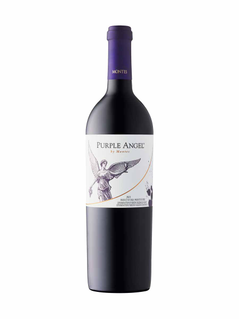
For a lower-sugar choice: this Chile red lists 3 g/L, about 0.45 g in a 150 mL glass.
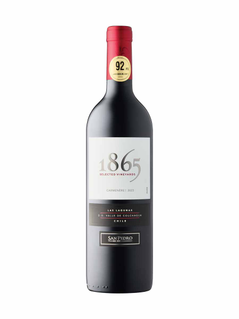
For a lower-sugar choice: this Chile red lists 4 g/L, about 0.6 g in a 150 mL glass.
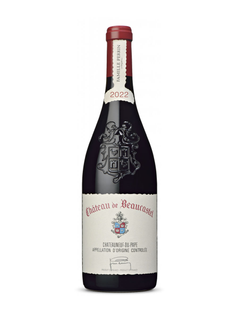
For a lower-sugar choice: this France red lists 3 g/L, about 0.45 g in a 150 mL glass.
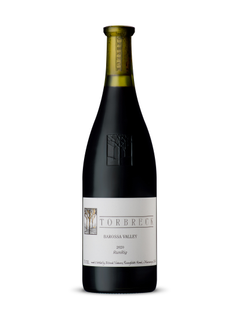
For a lower-sugar choice: this Australia red lists 4 g/L, about 0.6 g in a 150 mL glass.
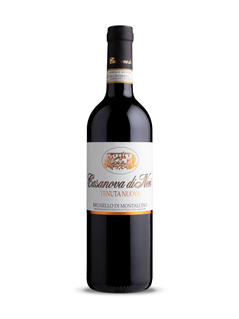
For a lower-sugar choice: this Italy red lists 3 g/L, about 0.45 g in a 150 mL glass.
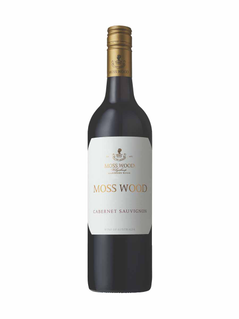
For a lower-sugar choice: this Australia red lists 2 g/L, about 0.3 g in a 150 mL glass.
Our top picks combine trusted ratings, price and availability. Each recommendation uses one exact LCBO listing, with prices and stock refreshed daily. Scarcity never improves a wine’s rank.
The LCBO is unusually helpful for sugar-conscious wine buyers: it publishes sugar content in grams per litre for nearly everything it sells, data most wine shops don't offer at all. This guide uses that data directly, listing only wines at 5 g/L or below — our practical cutoff for this guide.
Two things worth knowing: reds are usually a safer low-sugar bet than off-the-shelf whites, where residual sugar hides behind acidity, and 'no sugar added' marketing labels say nothing about the sugar naturally left after fermentation. The grams-per-litre number on each wine's page is the fact that matters, and every bottle here has been filtered on it.
4,354 wines · 217 scored · $3.95-$13,739.00 · 271,888 store listings
Red Blend, Pinot Noir, Chardonnay, Sauvignon Blanc · Ontario, Burgundy, Bordeaux
More current LCBO listings from this guide, sorted by WineRipe score and availability.
This page uses 5 grams per litre or less as the low-sugar cutoff because LCBO product data commonly reports sugar in g/L.
No. Sugar and alcohol are separate measurements. Check the bottle details on each wine page for alcohol percentage.